
Last updated November 3, 2026
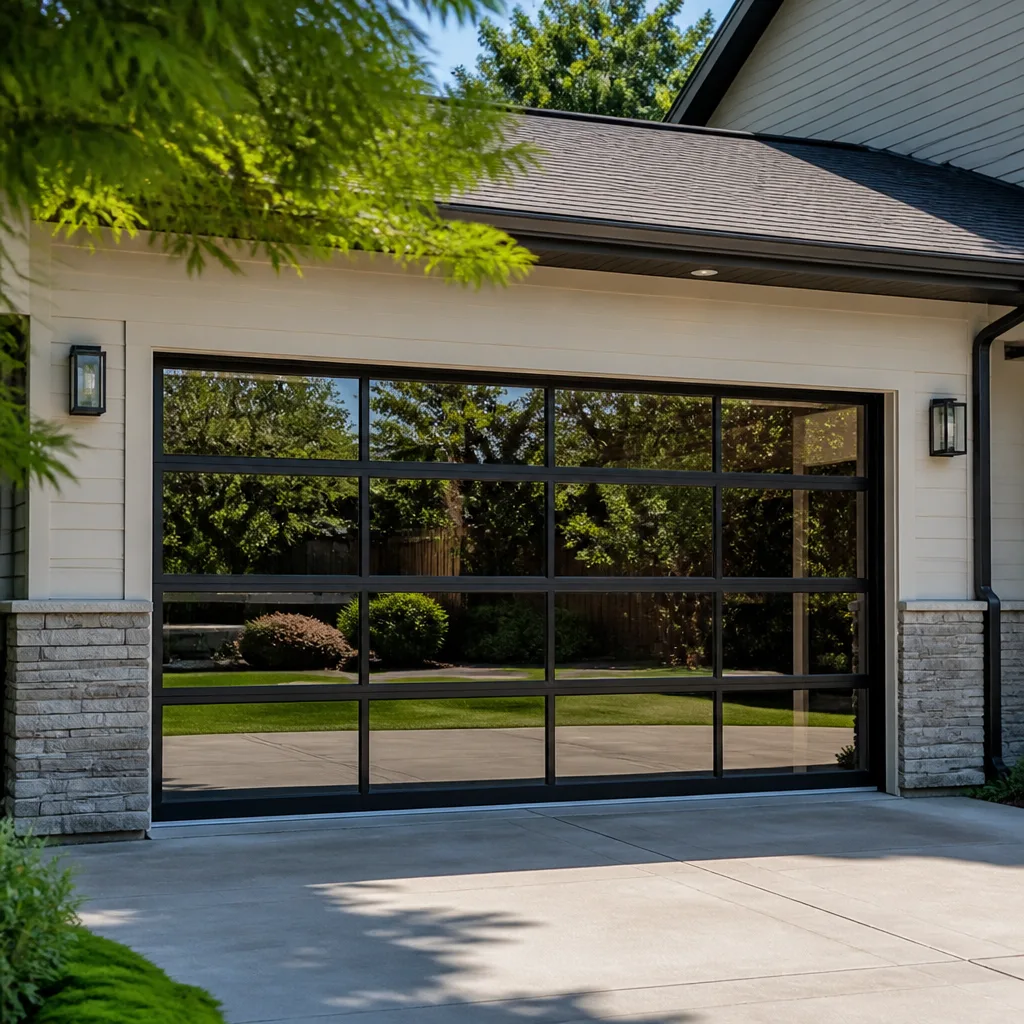 Full-view glass
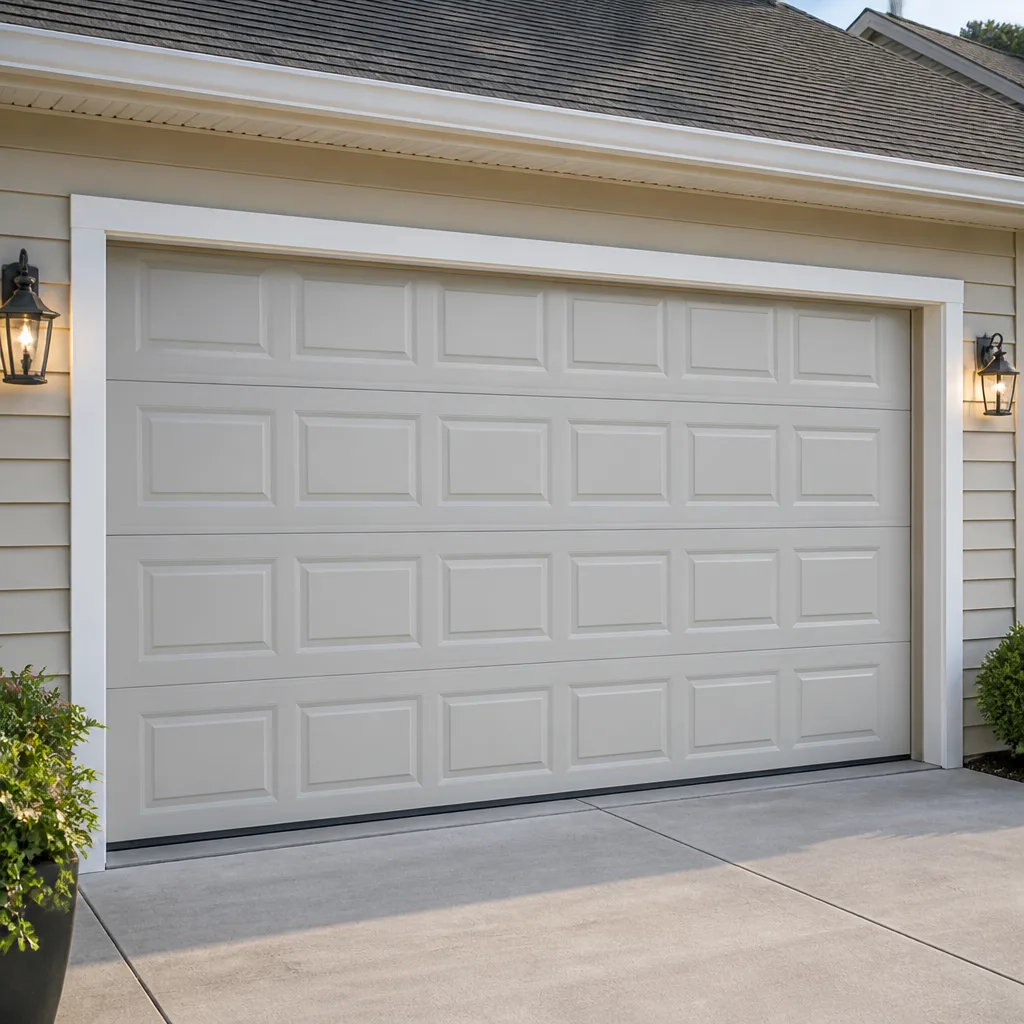 Raised-panel steel
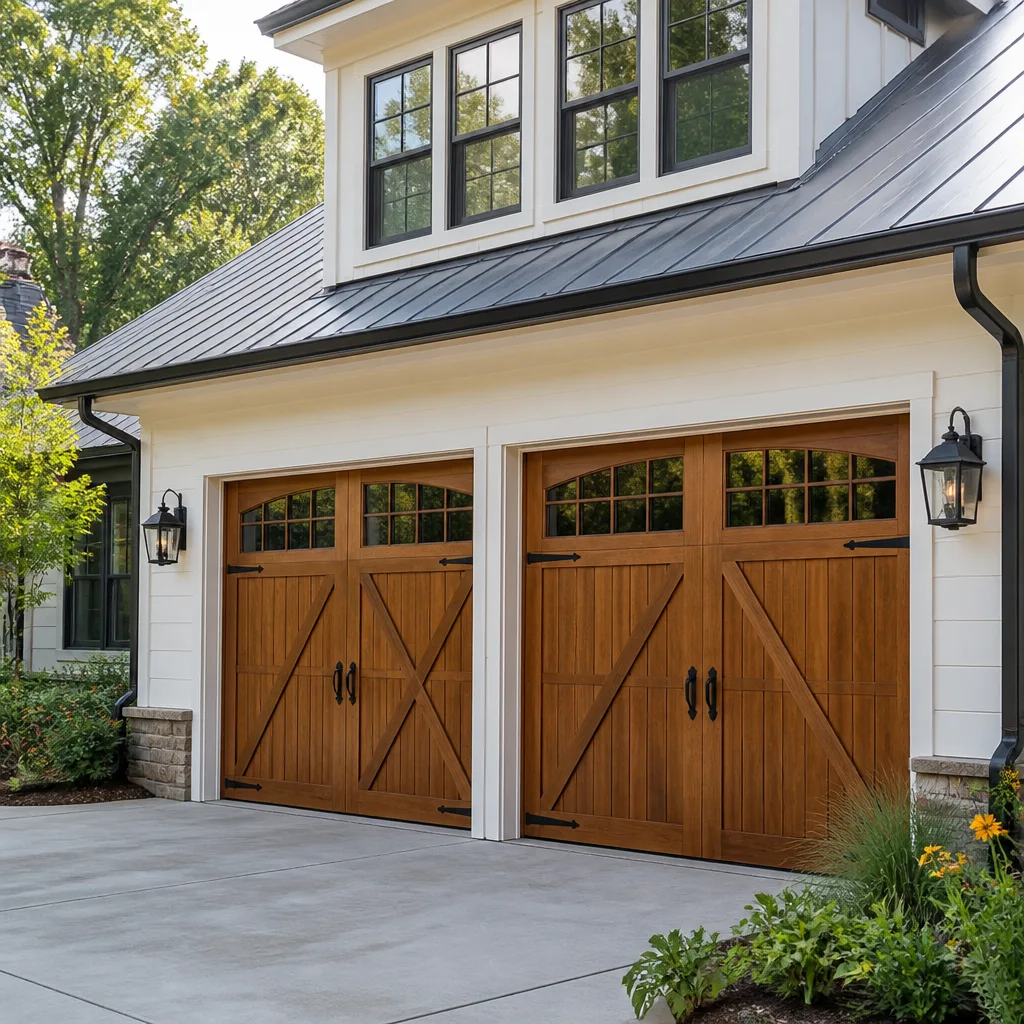 Carriage house
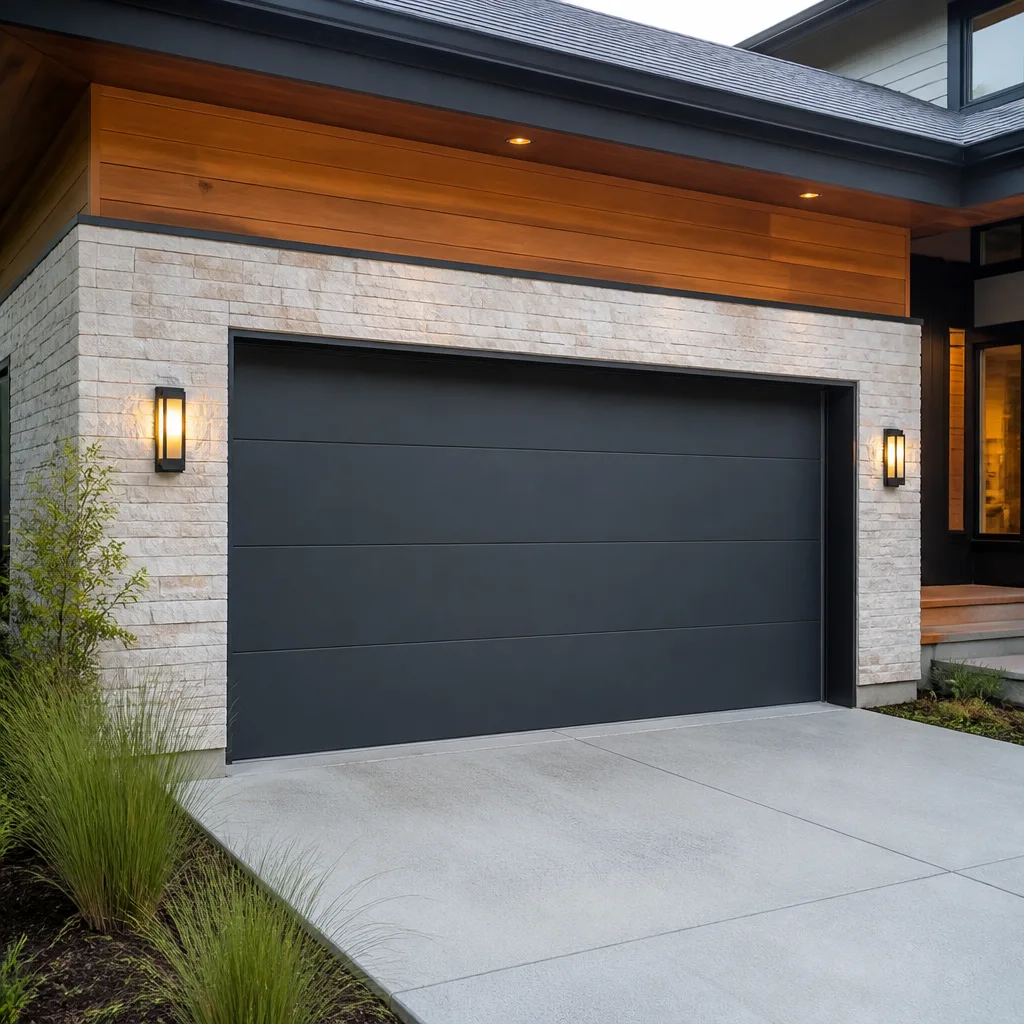 Modern flush
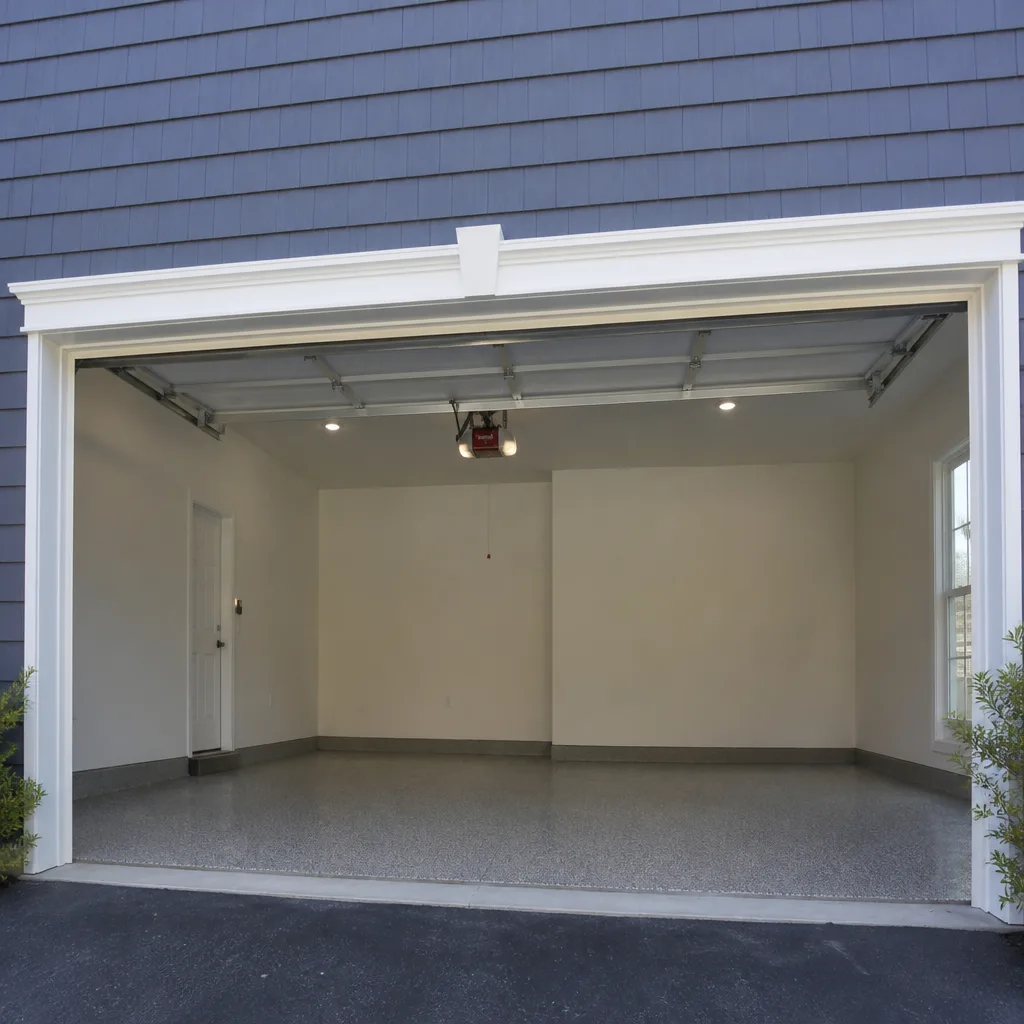 LiftMaster openers
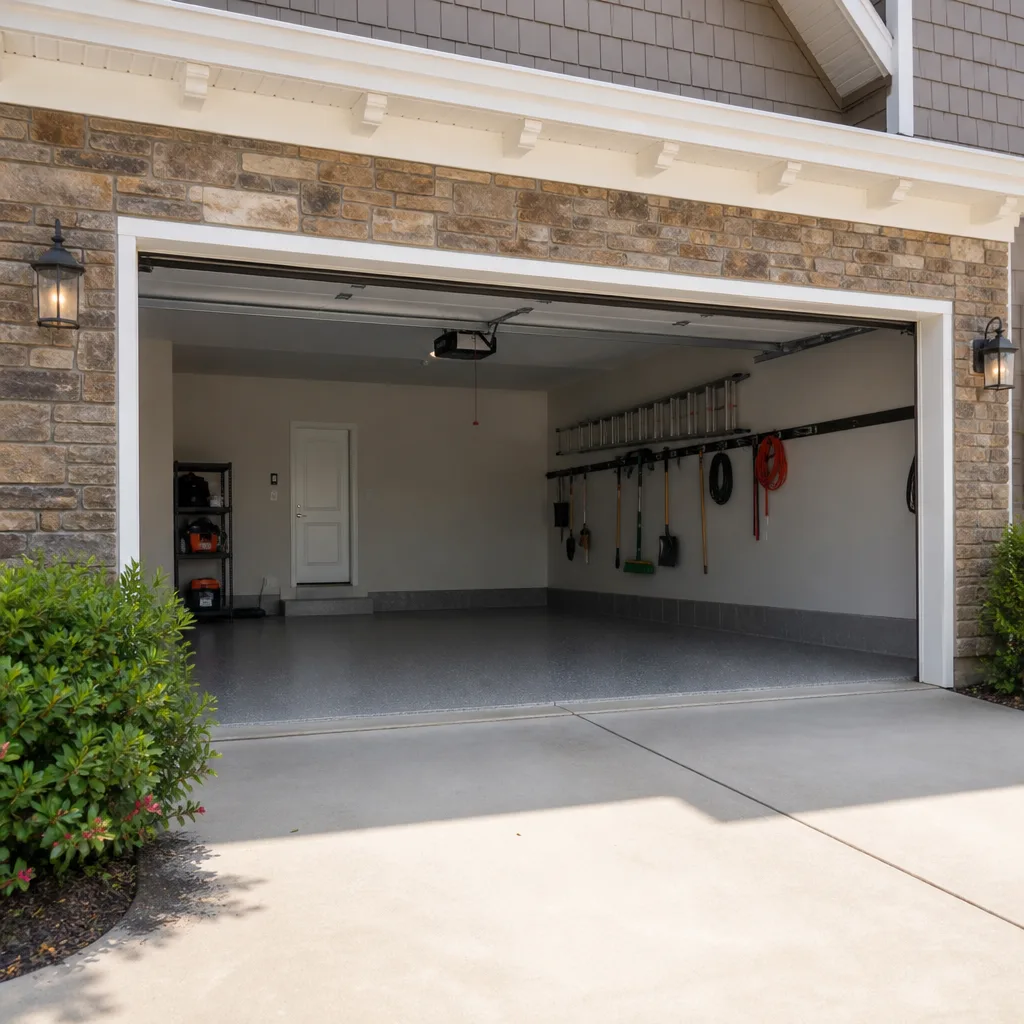 Chamberlain openers
Full 25-point door and opener safety check with every visit - springs, cables, rollers, tracks, and your LiftMaster or Chamberlain opener included
You get a price before we start. It does not change when the truck arrives.
Get your free estimateThe Complete Garage Door Repair Guide for Fullerton Homeowners
Your garage door has over 300 moving parts, but 80% of repair calls in Southern California trace back to just four root causes, and confusing one for another is how a $90 spring job turns into a $400 mistake. This guide is built for Fullerton homeowners who want to identify the actual problem before a technician arrives, understand what the repair should involve, and know which jobs belong in professional hands. We work on garage doors in Fullerton every day, and the most expensive calls we see are almost always the ones where a small issue was misdiagnosed, ignored, or attacked with the wrong fix. Here’s how to think in systems, not parts.
Quick Answer
Most garage door failures in Fullerton trace back to one of four systems: torsion springs, cables, track alignment, or the opener. A garage door that won’t open is rarely one broken part, it’s a system out of balance, and fixing only the visible symptom usually means the real problem returns within months. Start with this guide’s diagnostic sequence (springs → cables → tracks → opener) and you’ll know exactly what to ask for when you call a pro for our Garage Door Repair services.
Styles & brands we work with
- Raised-panel steel
- Carriage house
- Modern flush
- Full-view glass
- LiftMaster openers
- Chamberlain openers
Table of Contents
- Why Fullerton’s Climate Wears Garage Doors Differently
- The Four-System Diagnostic Framework
- Spring Problems: What Actually Breaks
- Cables and Tracks: The Systems People Ignore
- Opener Failures by Brand
- What’s DIY-Safe and What Isn’t
- Anatomy of a Legitimate Repair Quote
- Common Mistakes to Avoid
- When to Call a Professional
- Frequently Asked Questions
Why Fullerton’s Climate Wears Garage Doors Differently
Fullerton sits in a strange middle zone. We’re roughly 14 miles from the coast, close enough to catch morning marine layer moisture but far enough inland to bake in afternoon heat. That daily swing, humid mornings followed by dry 90-degree afternoons, does specific things to garage door hardware that homeowners in Phoenix or Las Vegas never deal with.
Steel torsion springs are the clearest example. Every spring has a cycle life, typically 10,000 open/close cycles for standard springs, and Fullerton’s moisture swings accelerate the surface corrosion that shortens that lifespan. A spring that would last 12 years in a dry inland climate might fail in 8 or 9 here. The coil surface develops micro-pitting from the morning humidity, and each cycle flexes those pits into stress points. We see it constantly in neighborhoods like Sunny Hills and Raymond Hills, where doors face the prevailing marine airflow. Buying a door rated for 15,000 cycles isn’t upselling in Fullerton, it’s matching hardware to climate reality, as covered in The Complete Guide to Garage Door in Fullerton.
Roller bearings and hinges get hit too. Morning condensation works into bearing seals, then the afternoon heat draws that moisture deeper into the race as the metal expands. The result is what sounds like a dry squeak but is actually a bearing running without proper lubrication. Rust jacking on hinge pins also accelerates, which shifts panel alignment fractions of an inch at a time until the door starts hanging unevenly. The fix is usually lubrication and hinge replacement, not a new door, but only if the issue is caught before the uneven wear chews up rollers and tracks.
The Four-System Diagnostic Framework
If you take one thing from this guide, take this sequence: springs → cables → tracks → opener. Order matters because each system sits on top of the one before it, and problems cascade downhill.
Here’s the step-by-step diagnostic we use on every Fullerton service call:
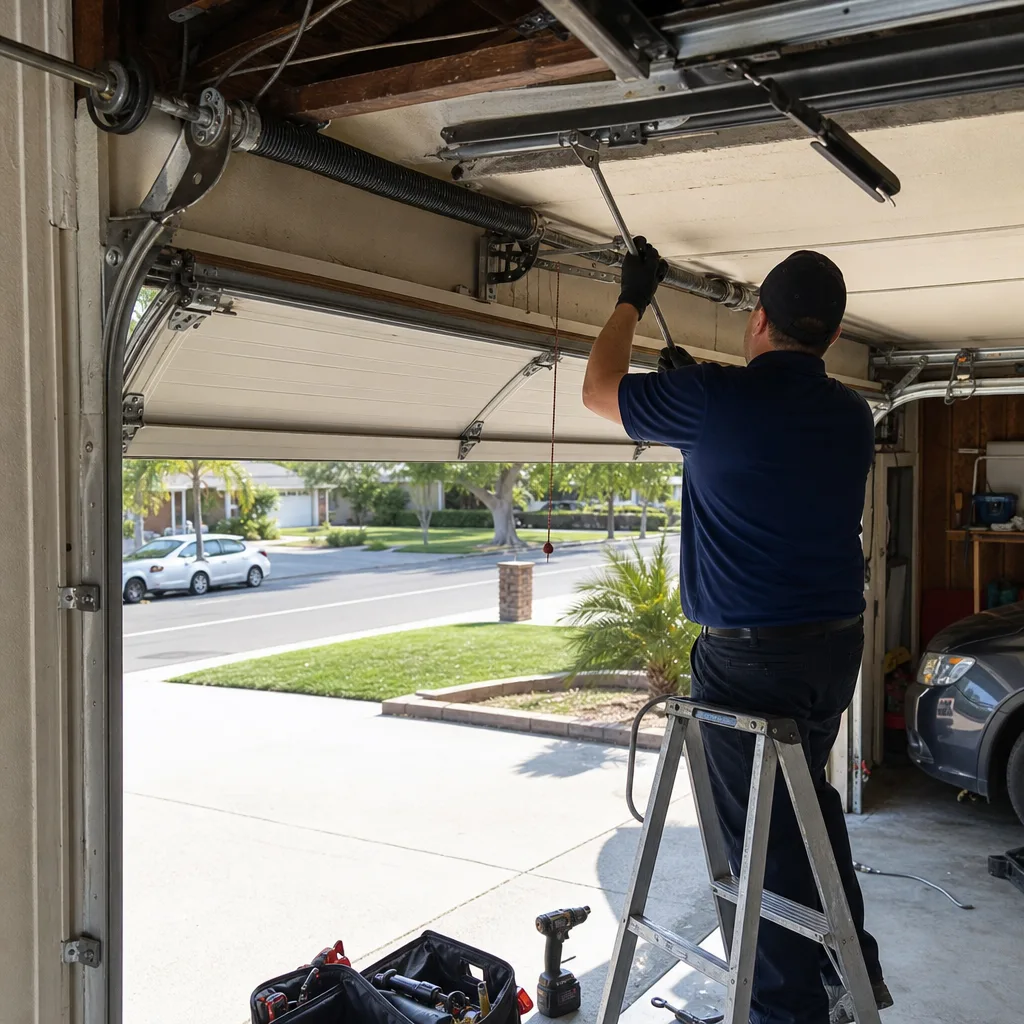
- Test the door by hand. Pull the emergency release cord and lift the door manually. If it’s heavy, impossible to lift, or slams shut, you have a spring problem. If it moves smoothly but won’t stay up, springs are still the prime suspect.
- Inspect the cables. With the door closed, look at the lift cables on both sides. Frayed strands, kinks, or slack mean a cable is about to fail. A cable that’s already off the drum means the door is unsafe to operate.
- Check the tracks and rollers. Run your eyes along both vertical and horizontal tracks. Look for gaps between rollers and track, bent sections, or loose mounting brackets. Rollers should sit centered in the track, not grinding the side.
- Evaluate the opener last. If springs, cables, and tracks all look sound, and the door moves smoothly by hand, the opener becomes the focus. Openers fail electrically or mechanically, never because they’re “just old” without a specific cause.
Why this order? Because an opener that seems dead is often just a spring that’s failed and left the opener trying to lift a door that weighs 150 pounds more than it should. Testing the opener first wastes time and risks burning out a perfectly good motor chasing a symptom. We’ve replaced openers in Fullerton homes where the real problem was a broken torsion spring the previous company never checked, because the customer called saying “the opener stopped working” and the tech never lifted the door by hand.
Spring Problems: What Actually Breaks
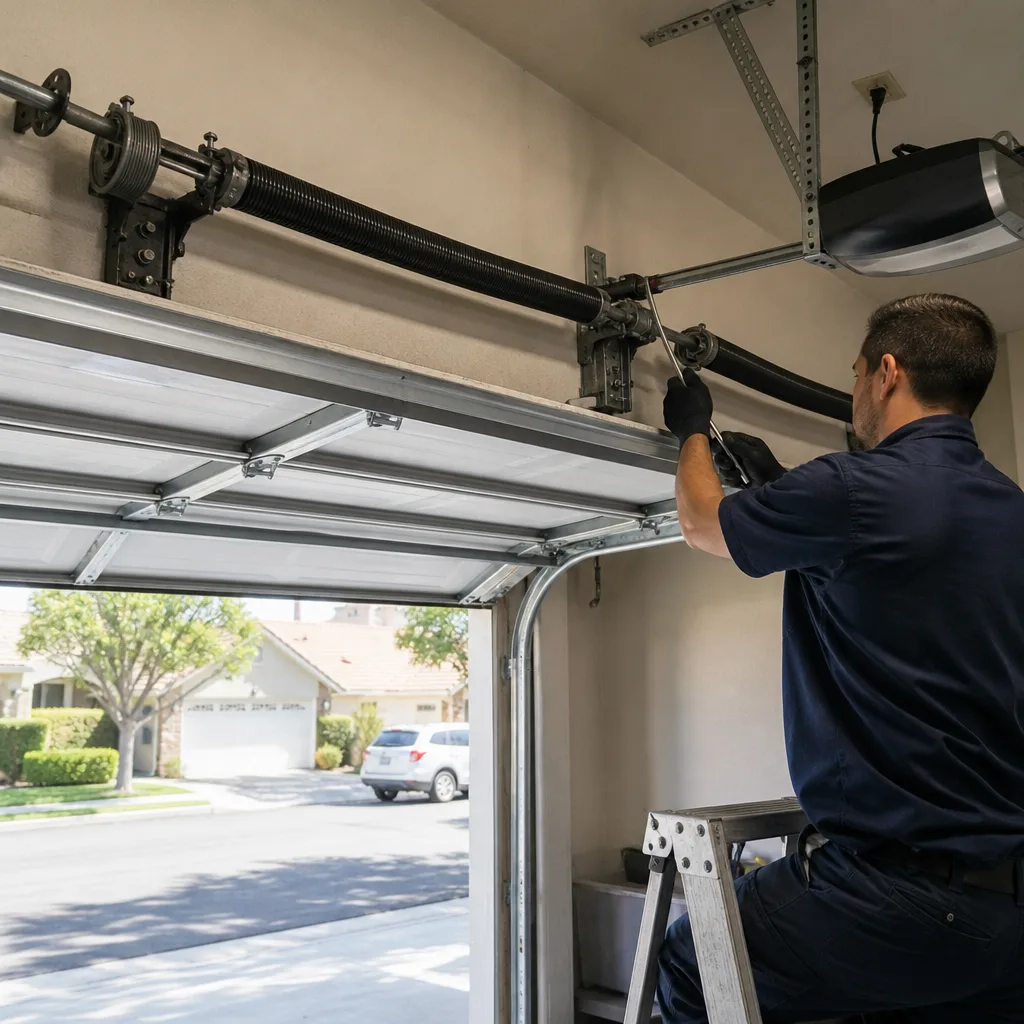
Garage doors use two spring types: torsion springs mounted horizontally above the door, and extension springs mounted vertically on both sides. Fullerton homes built before roughly 2000 often have extension springs. Newer construction and any door replaced in the last 20 years almost always uses torsion. Torsion springs are safer, smoother, and longer-lasting, which is why they won the market.
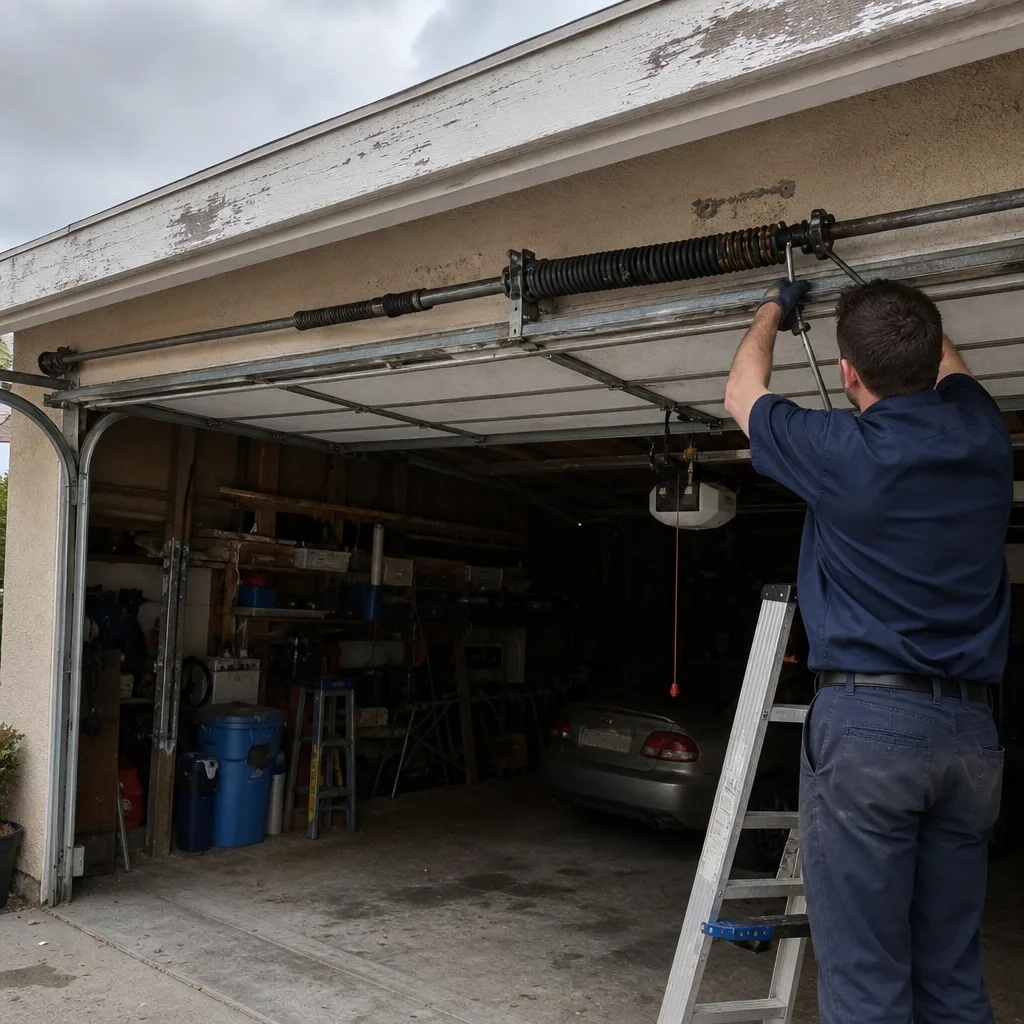
Torsion springs fail in two distinct ways. A clean snap, which you’ll hear as a sharp bang that sounds like a car backfiring, happens when the spring breaks at a stress point, often near the set screw or the center bearing. The door will either refuse to open or lift only a few inches before the remaining spring gives out. A fatigued spring is quieter. The door gets progressively harder to open over weeks or even months, the opener struggles and gets louder, and the door drifts downward when stopped halfway. Fatigue failure is the one most homeowners misread as an opener problem. The spring doesn’t look “broken” from the outside, but it’s lost its tension and is doing half the work (or less) it was rated for.
Extension springs fail more quietly and more dangerously. A broken extension spring looks almost identical to an intact one from a distance, which is why so many Fullerton homeowners accidentally operate a door with only one working side. The door opens crooked, the cables go slack on one side, and the opener’s chain or belt takes uneven load. If you ever see your door opening at an angle, stop and check the springs before running it again. For readers facing this right now, our Garage Door Repair in Fullerton page covers spring replacement pricing and same-visit options in detail.
Cables and Tracks: The Systems People Ignore
Lift cables are the silent partner to your springs. They carry the door’s weight from the bottom bracket up to the drum, and they wear in ways that are easy to miss because most of the cable is hidden when the door is closed. The section you can see, at the bottom bracket and the first few inches of vertical track, tells you a lot. Fraying there means the cable has been rubbing against a misaligned drum, which is a precursor to failure. On Amarr and Wayne Dalton doors specifically, we see bottom-bracket fatigue as a common failure point: the bracket, not the cable, gives way first.
Track issues fall into three categories. Impact damage, where a car bump or a basketball (we see this constantly in Fullerton driveways) bends the vertical track inward. Settlement shift, where the house’s foundation movement changes the opening’s dimensions enough to pinch the track. And loose hardware, where mounting bolts back out from years of vibration. All three cause the same symptoms: grinding, the door sticking at one point in the travel, and rollers coming off the track entirely in bad cases.
Here’s the critical safety point: a door with a cable off the drum is under uneven tension and can drop without warning. A door with a bent track that’s forcing the rollers to bind can snap a roller stem under load. Neither of these is a “spray some WD-40 and see what happens” situation. When tracks or cables are involved, stop operating the door and have it assessed. It’s the cheapest timeframe to fix either problem, and every Fullerton repair company will confirm that track damage left for a month becomes a much bigger job. An opener on its way out can often be repaired on the same visit. Our Garage Door Opener Repair in Fullerton page covers what’s fixable versus what’s replacement territory.
Opener Failures by Brand
Openers fail in brand-specific ways, and knowing what you have installed cuts diagnosis time dramatically. In Fullerton, we see a heavy mix of LiftMaster and Chamberlain (same parent company, different retailers), a solid base of Genie from the 90s and early 2000s, and a fair number of Craftsman units that are now 15 to 25 years old.
LiftMaster and Chamberlain openers from the last decade are generally the most repairable. Common issues are gear-and-sprocket wear, which sounds like a buzzing motor with no movement, and logic-board failure, which presents as phantom remotes that work intermittently. The gear kit is a $50-$80 part and a 45-minute repair. The logic board is usually a replacement decision. On MyQ-equipped models, we also see connectivity failures that trace back to the wall control or the Wi-Fi module, not the motor itself. Those are often simple resets or module replacements.
Genie openers have a different failure signature. Their worm-drive and screw-drive models are noisy by design, but a sudden increase in noise usually means the carriage or screw is wearing. Older Genie systems also have a travel-limit module that burns out before the motor does. The motor will run but the door won’t move correctly. That’s a modular replacement on most models under $150 in parts.
Craftsman openers are the wildcard. Most are rebadged Chamberlain units, but the model-specific parts are discontinued on many older units, and the gear-and-sprocket assemblies from 1995-2010 are a common fail point. If your Craftsman opener is over 15 years old and the gears are shot, replacement is usually the honest recommendation, especially considering what a modern opener costs versus patching a unit that’s already past its service life. For readers ready to compare replacement options, our Garage Door Installation in Fullerton page walks through the full selection and pricing process.
What’s DIY-Safe and What Isn’t
This section matters more than any other in this guide. Garage doors have a body count. Torsion springs under tension hold enough stored energy to cause severe injury or death if mishandled. Fullerton emergency rooms are not where you want to validate that statistic.
DIY-safe with basic tools and caution:
- Lubricating rollers, hinges, and tracks with a garage-door-specific lubricant (never WD-40, which is a solvent, not a lubricant)
- Replacing the opener’s remote control batteries and reprogramming remotes per the manufacturer’s manual
- Tightening loose hinge bolts and track mounting bolts that are visibly backing out
- Cleaning and aligning the photo-eye safety sensors at the bottom of the door tracks
- Replacing weather-stripping along the bottom panel or the side jambs
Never DIY. Call a professional for:
- Anything involving torsion springs or extension springs: adjustment, replacement, or even inspection that requires unwinding tension
- Lift cable replacement or re-seating a cable on the drum. Cables snap under tension and the door can drop
- Track repairs that involve bending, shimming, or rewelding. Anything beyond tightening bolts
- Opener motor or logic board replacement. Wiring errors can create a short that takes out the entire unit
- Any repair on a door that won’t stay up or is suspended mid-travel. That’s not a repair, that’s a rescue operation
The line is simple: anything under active spring or cable tension is a professional job. Fullerton has enough qualified garage door specialists that there’s no reason to risk it.
Anatomy of a Legitimate Repair Quote
When you get a repair estimate in Fullerton, you should be able to see exactly what you’re paying for. A quote that’s a single number with no breakdown is a red flag. Here’s what a legitimate spring replacement quote, the most common repair, should itemize:
- Spring specification: wire size, inside diameter, length, and wind direction (left or right). If the quote doesn’t list these, the tech either hasn’t measured or is planning to use whatever’s on the truck
- Cycle rating: standard 10,000-cycle springs vs upgraded 15,000-20,000-cycle springs. This should be a discussed choice, not a hidden upsell
- Number of springs: both springs wear at roughly the same rate. A quote that only replaces one is either a false economy or a second service call in six months
- Labor and balance check: installing the spring and then testing the door’s full travel to confirm balance
- Disposal of old springs: usually included, but it should be stated
Line items that signal an upsell: a charge for “cleaning the tracks” that you didn’t request or need. A charge for “emergency service” on a call you scheduled for Tuesday. A mandatory “tune-up package” added without discussion. A quote that only replaces one spring when two are 10+ years old. We recommend getting a second quote if any of these appear. More importantly, get the quote in writing and in advance, before any work starts. The final invoice should match the quote unless you approved a change during the repair. That’s how professional shops in Fullerton operate, us included. If a company won’t commit to a written price before touching the door, find someone who will.
Some brands require specific knowledge that a generic tech won’t have, and that shows up in quotes as vague line items. A Raynor torsion system, for example, uses a different spring wire spec and drum radius than a Clopay or Amarr system. If a quote says “replace springs” without noting the brand, the tech may be substituting whatever’s stock instead of what the door was engineered for. That’s the “nearest fix” problem in action. The right fix, not the nearest fix, is the difference between a spring that lasts ten years and one that fails in four.
For more detail on what Fullerton repair services typically cost and what’s included, visit our Westport Garage Door Repair home page.
Common Mistakes to Avoid
- Replacing the opener before checking the springs. A dead opener is often a broken spring the opener was straining against. Test the door by hand before buying a new motor. We’ve walked into Fullerton homes where a perfectly good opener was replaced twice while a torsion spring sat broken the whole time.
- Ignoring a door that opens slightly crooked. A door that’s a half-inch out of square is either a failing extension spring or an unbalanced torsion system. Running it worsens the cable wear and can yank a roller off the track. One week of ignoring it can double the repair cost.
- Using WD-40 on rollers and tracks. It washes out the existing lubricant and leaves the bearing running dry. Use a garage-door-specific lubricant. The hinge squeak goes away, but the bearing wear accelerates. This mistake probably sells more roller replacements in Fullerton than any actual mechanical failure.
- Not testing the door balance after any repair. A properly balanced door should stay in place when stopped at the halfway point. If it drifts down slowly, the springs are under-tensioned or fatigued. That drift is also the most common cause of “mysterious” opener gear wear.
- Calling a general handyman for spring work. Torsion springs require specialty winding bars and an exacting procedure. A handyman who “does everything” generally doesn’t do springs safely, and the result is either a spring that unwinds dangerously or one that’s wound to the wrong tension. Garage doors are all we do, and there’s a reason for that.
- Replacing one spring to save money. Both springs install at the same time and wear at the same rate. Replacing one means the door runs out of balance, and you’ll be back for the second spring within a year, paying two service calls instead of one.
When to Call a Professional
Some jobs genuinely can’t wait. If your door partially opens and then stops, or one side hangs lower than the other, stop operating it and call immediately. That’s a cable or spring failure in progress, and every cycle makes it more dangerous. If you hear a loud bang from the garage and the door won’t lift, that’s a snapped torsion spring, full stop. If the door falls or drops when you release the opener, the spring system has failed and the door is under gravity’s control, not yours. For any of these, operating the door risks injury and damages tracks, panels, and the opener. The repair is usually straightforward for a professional; the damage from continuing to use it is what turns a $200 spring job into a $900 system repair. Westport Garage Door Repair offers free estimates in Fullerton, call (877) 265-9301.
Frequently Asked Questions
Spring replacement in Fullerton typically runs $180 to $340 for a standard torsion spring pair, depending on spring size and cycle rating. Extension spring pairs run $120 to $220. Upgraded high-cycle springs add $60 to $120 but are worth discussing given Fullerton’s coastal moisture patterns. Call (877) 265-9301 for an exact quote, estimates are free and quoted before work starts.
A door that opens at an angle has a failing extension spring, a broken spring on one side, or a cable that’s come off its drum. It’s not an alignment problem you can adjust away. Stop running the door and have the spring and cable system inspected before the uneven load damages the tracks or the opener.
It depends on the failure. Gear-and-sprocket wear on LiftMaster, Chamberlain, or Genie openers is repairable for roughly half the cost of a new unit. Logic board failures are usually replacement territory, especially on units over 12 years old. A diagnostic visit is the only way to know which category you’re in. Call (877) 265-9301 to have one of our techs assess it.
Standard 10,000-cycle springs last roughly 8 to 10 years in Fullerton, compared to 10 to 12 years in drier inland climates. The moisture fluctuation accelerates surface pitting on the coil. If your door opens twice a day, that’s about 7,000 cycles in ten years, which means most springs in Fullerton fail from age and corrosion before hitting their cycle limit.
No. A door with a broken spring weighs 130 to 200 pounds more than it should, and the opener is now doing work it was never built for. The door can drop suddenly, and the remaining spring is under uneven load and can fail without warning. This is the most common injury scenario in garage door incidents. Leave the door closed and call us.
We service doors and openers from LiftMaster, Chamberlain, Genie, Clopay, Amarr, Wayne Dalton, Craftsman, and Raynor. That covers the vast majority of doors installed in Fullerton homes over the last 30 years, from builder-grade units to premium panel systems. If your door carries any of those names, we already know the hardware, which means a faster diagnosis and a repair done right the first time.
The Bottom Line
Most Fullerton garage door problems are systems problems, not part problems. The door that won’t open is usually a spring, not an opener. The door that’s noisy is usually bearings and hinges, not the motor. The door that’s crooked is a cable or spring issue, not a track that needs “adjusting.” Learn the four-system sequence, respect the tension in springs and cables, and call a specialist who works on your brand daily instead of a generalist who’s seeing it for the first time. For more guides & resources, explore our blog. The difference shows up in every part of the repair: the estimate, the parts selection, and how long the fix actually lasts.
Written by the team at Westport Garage Door Repair, serving Fullerton since 2012.
See the difference
 Before
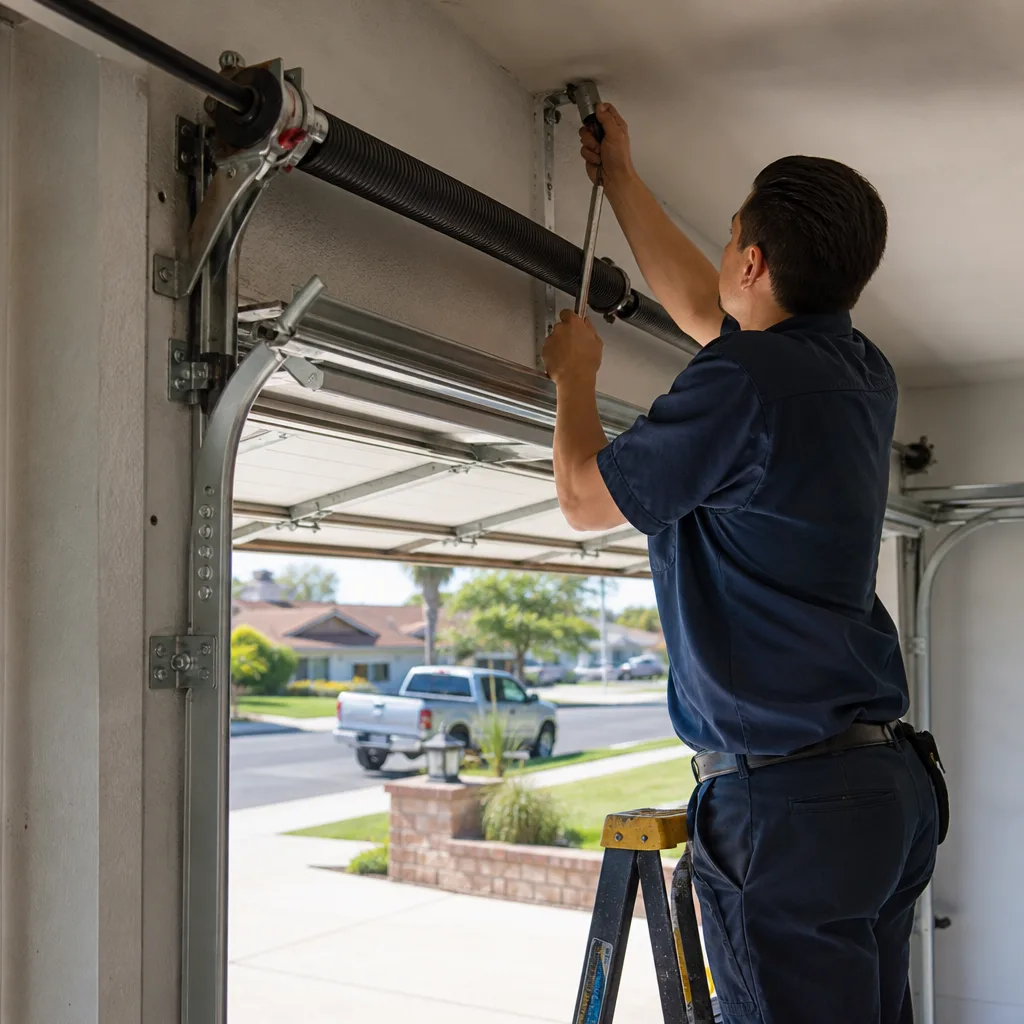 After
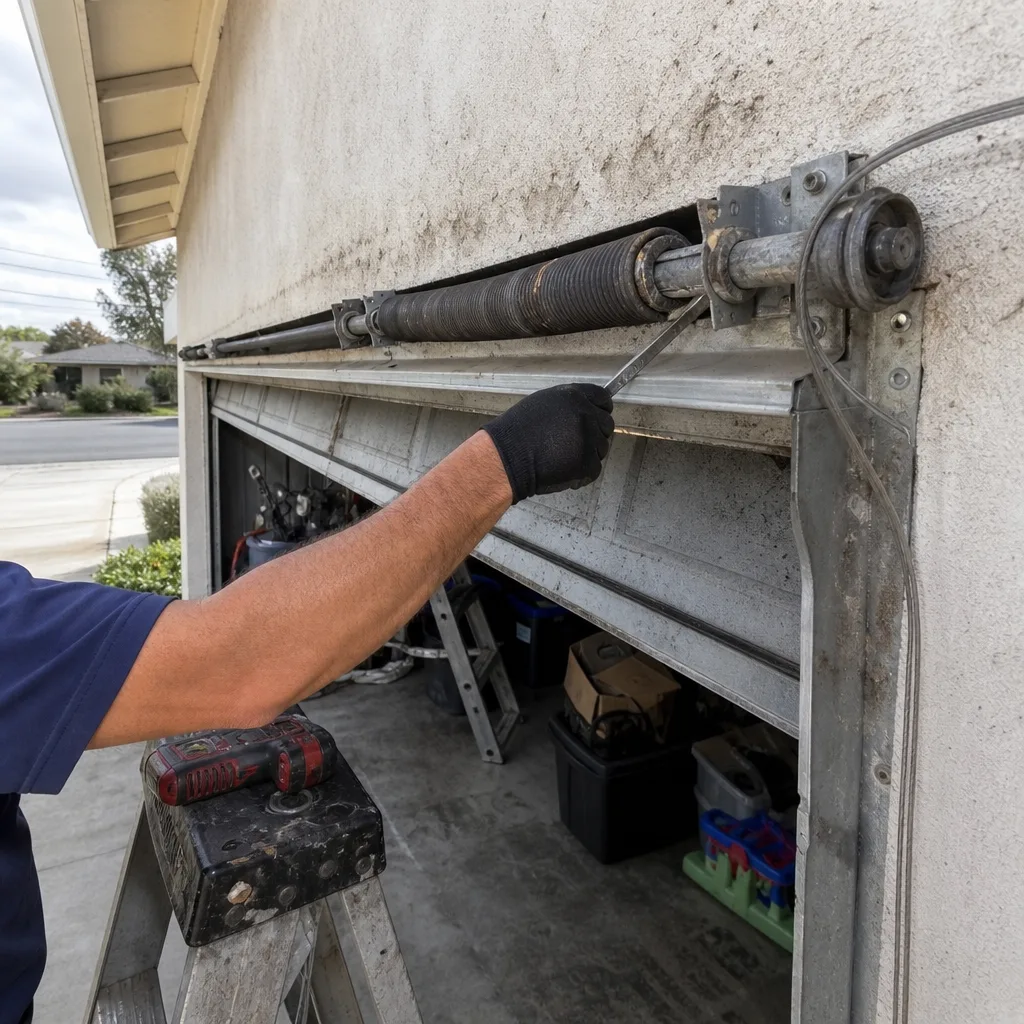 Before
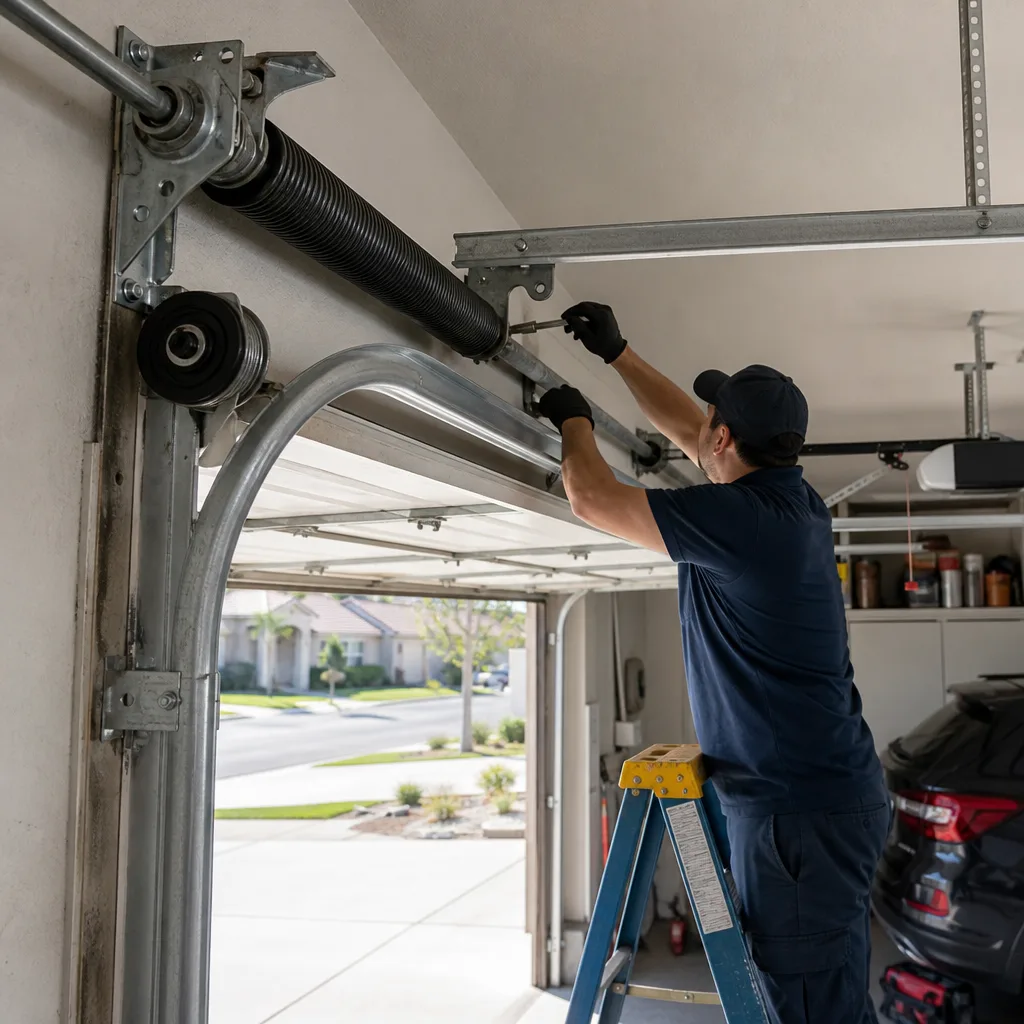 After
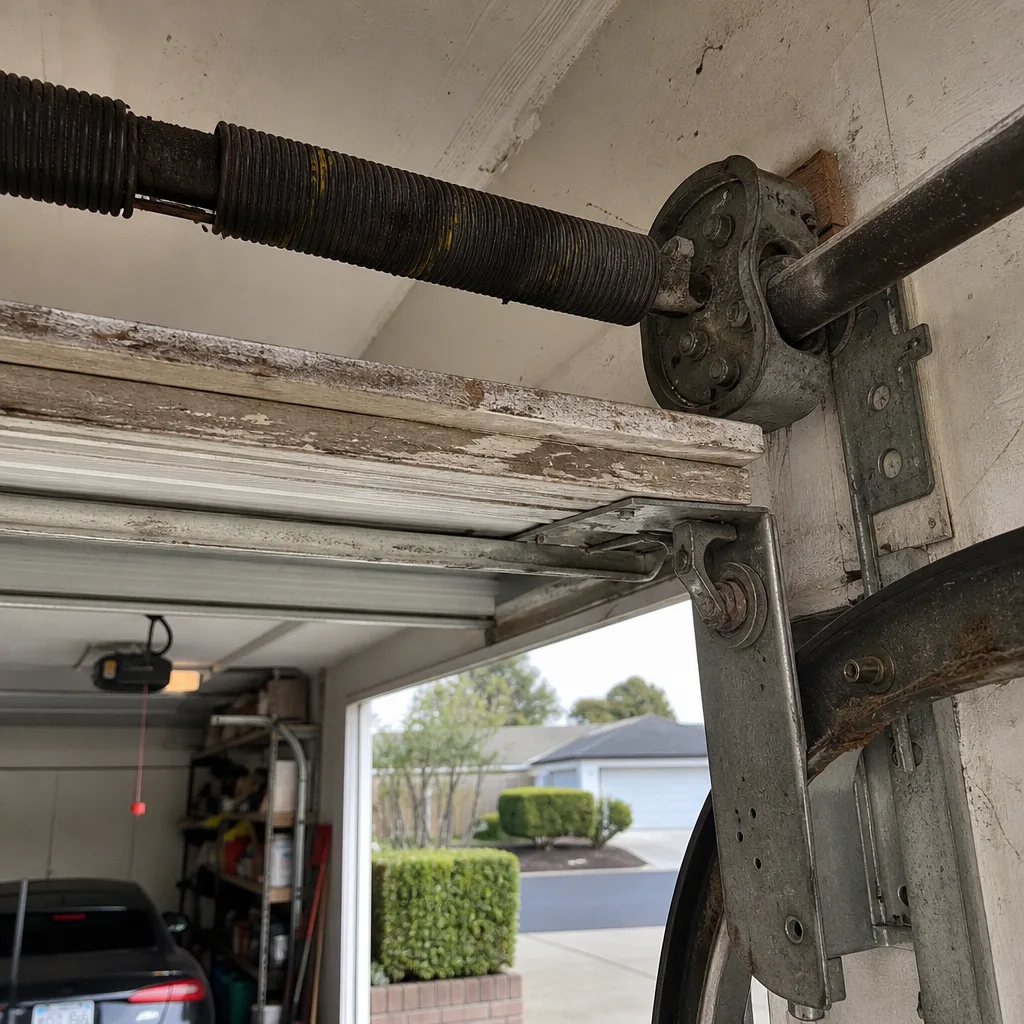 Before
 After